
10 Homes Buyers Are Starting to Avoid Completely in 2026
Buying a home isn't just about the purchase price anymore.
Today's buyers are asking a much bigger question: Will this home still be affordable, insurable, financeable, and desirable five years from now?
Across the country, many homeowners are discovering that the greatest risk isn't necessarily overpaying for a property. The real danger is buying a home that becomes difficult to insure, difficult to finance, or nearly impossible to resell.
According to recent housing market research from Zillow and buyer demand trends from Redfin, consumers are paying closer attention to long-term ownership costs than ever before.
As a result, certain property types are beginning to lose favor with buyers due to rising insurance premiums, environmental risks, maintenance expenses, financing challenges, and resale concerns.
Understanding these trends could help you avoid a costly mistake no matter where you're buying in the United States.
Watch: 10 Homes Buyers Are Starting to Avoid in 2026
Watch the video here: 10 Homes Buyers Are Starting to Avoid in 2026
This video explores the growing risks associated with insurance costs, flood exposure, maintenance expenses, financing challenges, and changing buyer preferences across the United States.
Why Some Homes Are Becoming Harder to Sell
For years, buyers worried primarily about paying too much for a home.
Today, many are worried about something entirely different.
They want to know:
Can this property be insured?
Will lenders finance it?
Are there hidden ownership costs?
Will future buyers still want it?
Growing concerns about affordability and ownership expenses highlighted by the National Association of Realtors are causing buyers to evaluate homes much differently than they did just a few years ago.
When financing becomes difficult, insurance becomes expensive, or maintenance costs become overwhelming, buyer demand often shrinks dramatically.
And when buyer demand disappears, property values can suffer.
1. Older Florida Beachfront Condos
Florida beachfront condos built before 1996 have become increasingly challenging for many buyers.
Following the Surfside condominium collapse, Florida implemented stricter structural inspection requirements for many older buildings.
As a result, owners are facing:
Rising HOA fees
Expensive special assessments
Higher insurance premiums
Increased maintenance requirements
Some condominium owners have reportedly received assessments totaling tens of thousands of dollars, with certain projects reaching six figures.
In addition, lenders have become more cautious when financing older condominium buildings that require significant repairs.
According to FEMA, building safety and disaster preparedness initiatives continue to influence housing costs in vulnerable coastal regions.
2. Overbuilt Austin Suburbs
Austin experienced one of the strongest housing booms in the country during the pandemic.
Today, some suburban communities are facing a different challenge: excess inventory.
According to Redfin housing market reports, increased housing supply has created more competition among sellers.
Many homeowners are competing against:
New construction communities
Builder incentives
Mortgage rate buydowns
Closing cost assistance programs
When buyers can purchase a brand-new home with incentives, resale properties often struggle to compete.
Longer days on market and slower appreciation have become concerns in some areas.
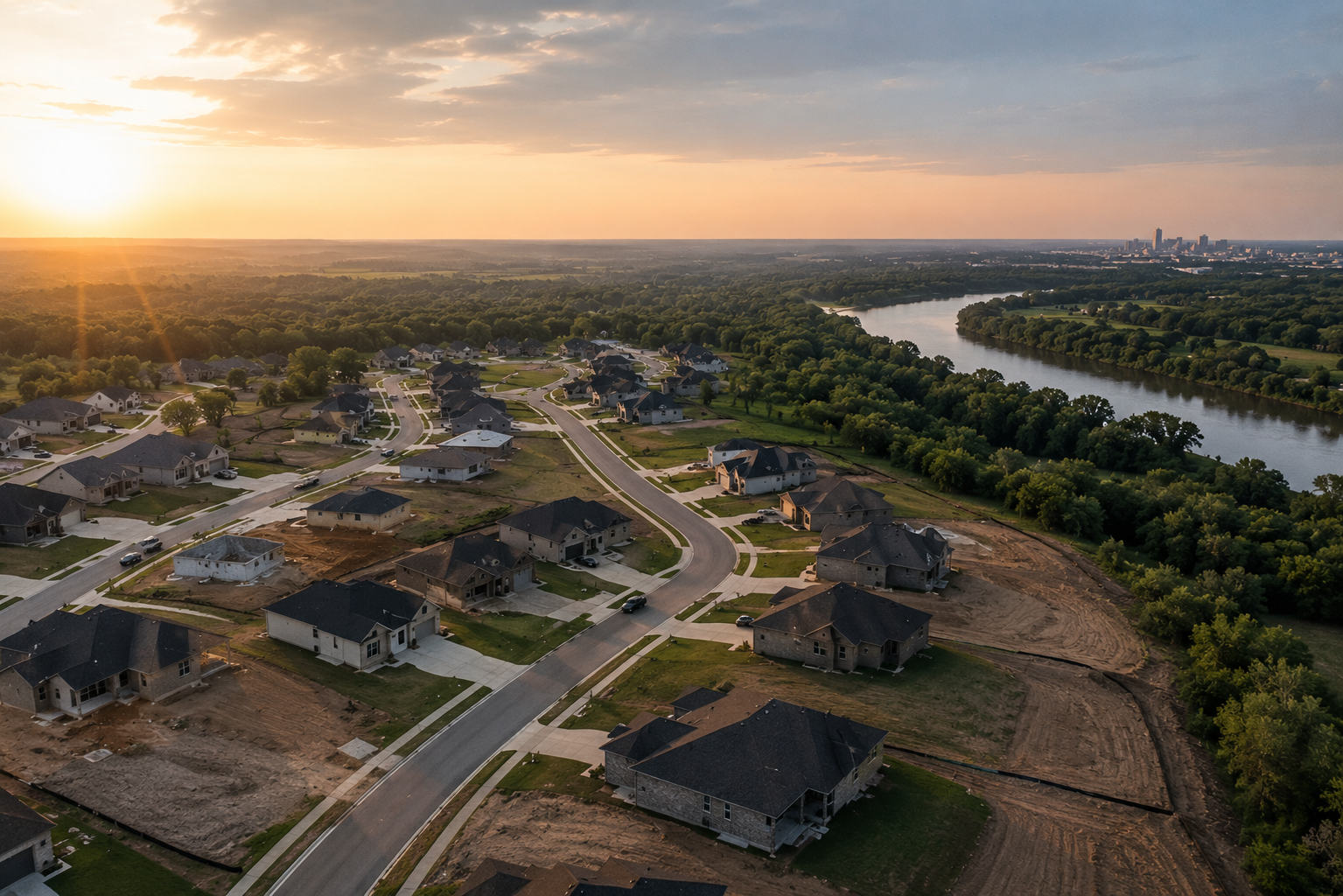
Suburban neighborhood by the river
3. New Construction Homes in Flood-Prone Areas
Flood risk is becoming one of the most important factors influencing buyer decisions.
In several rapidly growing markets, builders expanded into low-lying areas that now face increasing flood concerns.
According to FEMA flood mapping resources, updated flood zone classifications can significantly impact ownership costs.
When a property is reclassified into a flood zone, buyers may suddenly face:
Mandatory flood insurance
Higher monthly housing expenses
Additional lender requirements
These added costs can derail transactions and reduce buyer demand.
4. Starter Homes With Foundation and Maintenance Issues
Affordable starter homes remain attractive, but buyers are becoming more cautious about hidden repair costs.
In some markets, rapid construction combined with challenging soil conditions has created widespread concerns involving:
Foundation movement
Cracked slabs
Drainage issues
Structural repairs
The Consumer Financial Protection Bureau encourages buyers to evaluate total ownership costs rather than focusing solely on mortgage payments.
A lower-priced home can quickly become expensive when major repairs are required.
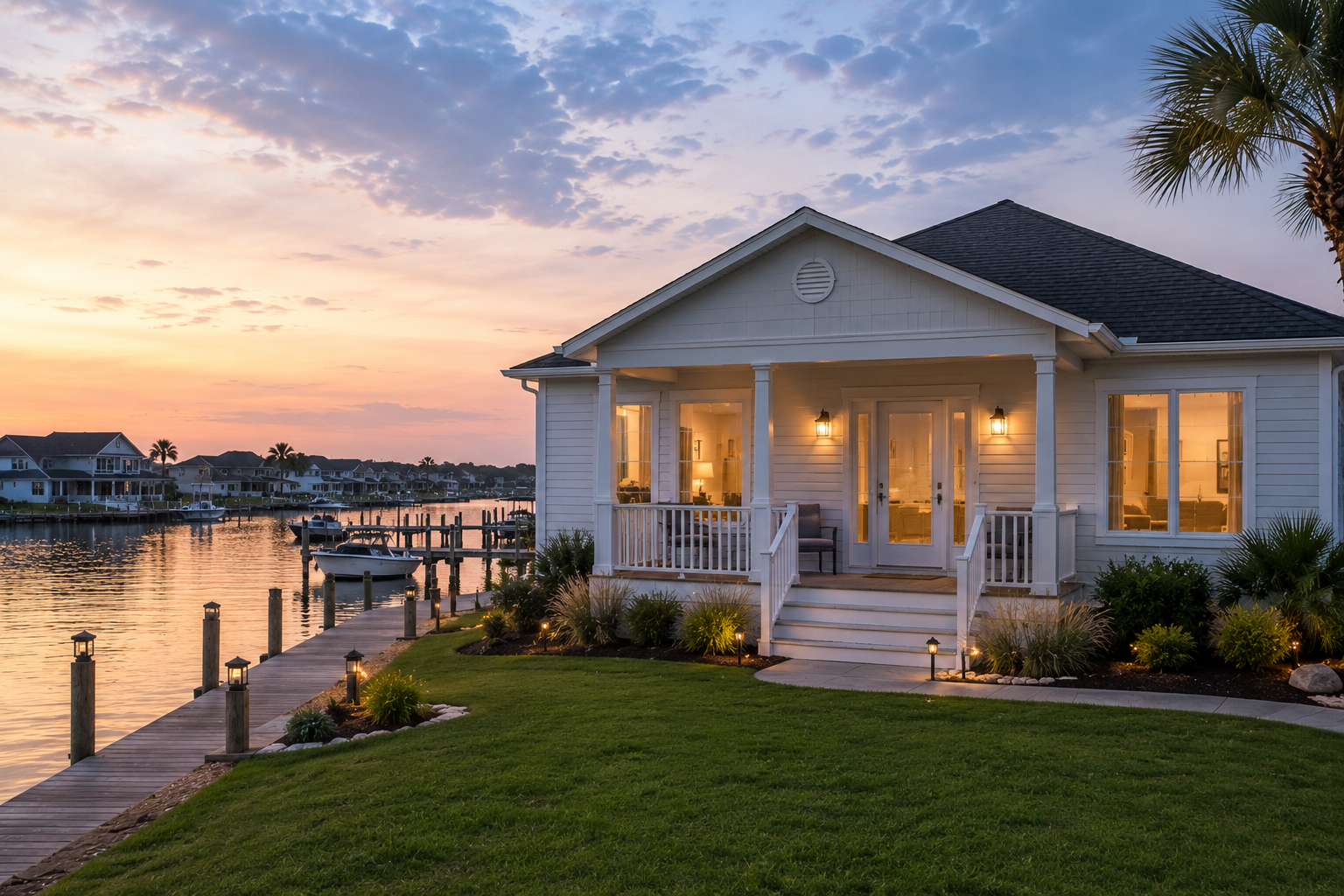
5. Waterfront Homes With Escalating Ownership Costs
Waterfront properties continue to attract buyers, but ownership expenses are rising rapidly.
Many waterfront homeowners face:
Flood insurance requirements
Seawall maintenance
Erosion concerns
Storm-related repairs
According to Zillow Research, climate-related housing expenses are becoming increasingly important to buyers.
6. Cabins and Rural Homes in High-Risk Insurance Areas
Remote cabins and rural properties often offer privacy and natural beauty.
However, insurance availability has become a growing concern.
Properties located in wildfire-prone regions or remote locations may face:
Limited insurance options
Higher premiums
Reduced coverage availability
According to FEMA disaster preparedness resources, environmental risk continues to influence insurance markets nationwide.
Before purchasing a rural property, buyers should verify both insurability and future ownership costs.
7. Large Luxury Homes With High Utility Costs
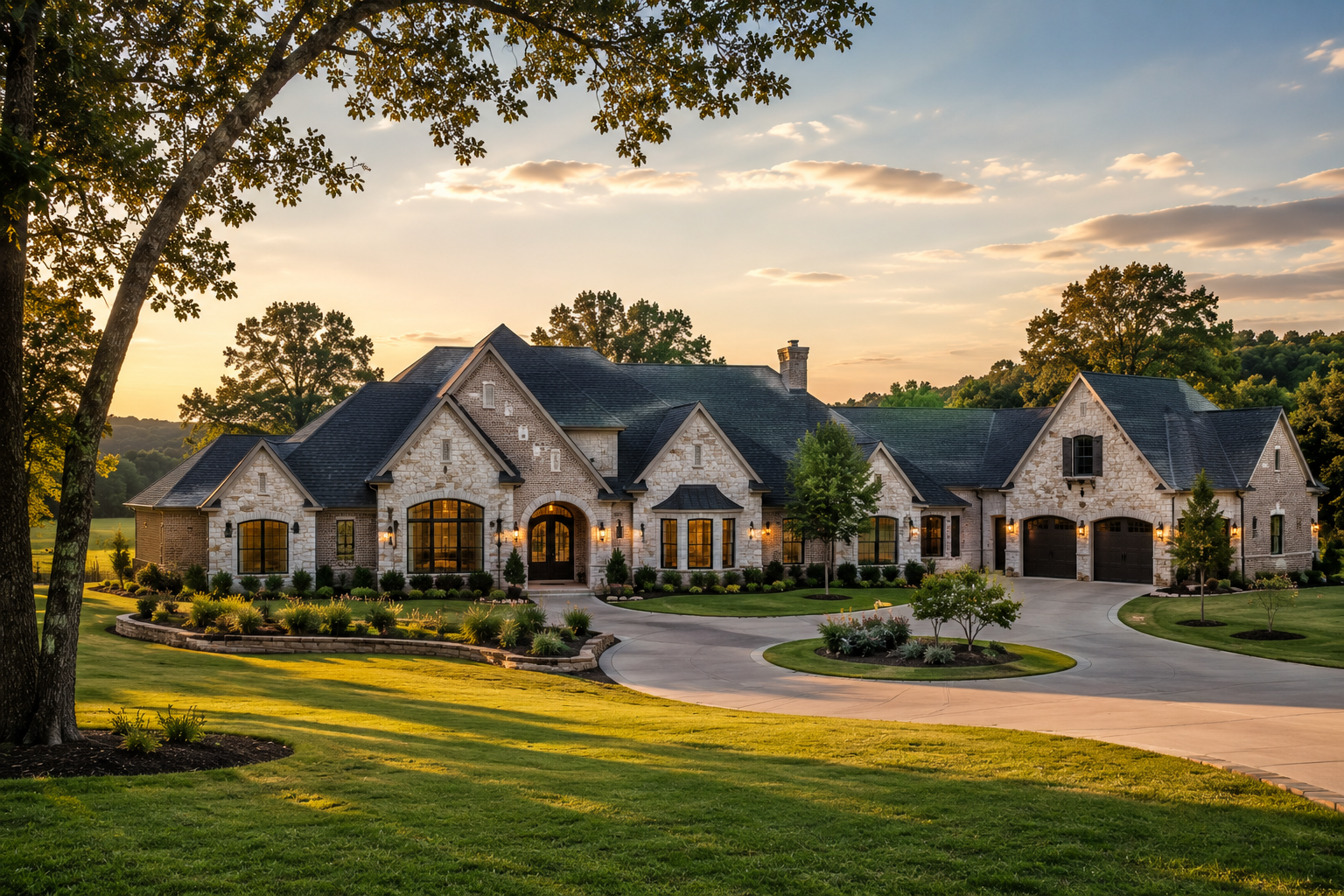
Luxury homes remain desirable, but many buyers are becoming more selective about operating expenses.
Large homes often come with:
Higher utility bills
Increased maintenance costs
Larger property tax obligations
Greater landscaping expenses
Research from the National Association of Realtors suggests that buyers increasingly prioritize efficiency and long-term affordability.
Today's luxury buyers often prefer thoughtful design and functionality over excessive square footage.
8. Smart Homes With Outdated Technology
Technology evolves quickly.
A smart home that seemed cutting-edge just a few years ago may already feel outdated.
Buyers are becoming cautious about homes that rely heavily on:
Proprietary systems
Obsolete hardware
Subscription-based technology
Difficult-to-update automation platforms
According to CNET Home, consumers increasingly prefer technology that is flexible, compatible, and easy to upgrade.
Future buyers may view outdated smart-home systems as a renovation project rather than a selling feature.
9. Renovated Homes With Hidden Infrastructure Problems
Fresh paint and modern finishes can make a home look impressive.
However, cosmetic renovations do not always address underlying issues.
Buyers are becoming more cautious about properties that may still contain:
Aging plumbing
Outdated electrical systems
Structural concerns
Unpermitted renovations
Resources from HUD and the Consumer Financial Protection Bureau encourage buyers to investigate renovation history carefully.
A thorough inspection remains one of the most important steps in the home-buying process.
10. Neighborhoods With Long-Term Infrastructure Challenges
Buyers are evaluating entire communities—not just individual homes.
Factors influencing long-term value include:
Drainage systems
Road conditions
Public services
Economic development
Population growth
According to migration data from the U.S. Census Bureau, buyers continue to prioritize communities with strong economic fundamentals and sustainable growth.
Neighborhood quality remains one of the strongest predictors of future demand.
Why Tulsa Is Standing Out Right Now
While many markets are facing insurance challenges, affordability concerns, and inventory imbalances, Tulsa continues to attract buyers from across the country.
Economic growth initiatives supported by the Tulsa Regional Chamber continue to strengthen the area's business environment and employment opportunities.
Compared to many higher-cost markets, Tulsa offers several advantages:
Affordable home prices
Reasonable property taxes
Diverse housing options
Strong healthcare systems
Growing employment sectors
Balanced housing inventory
Unlike many coastal markets, Tulsa generally avoids concerns such as:
Mandatory flood insurance on most properties
Seawall maintenance expenses
Condo structural assessment issues
Widespread wildfire insurance challenges
Additionally, Tulsa's location and infrastructure help reduce many of the environmental and affordability concerns affecting other regions.
According to the U.S. Census Bureau, migration trends continue to favor affordable metropolitan areas that offer both economic opportunity and quality of life.
For many relocation buyers, Tulsa checks those boxes.
The Most Important Question Buyers Should Ask
Instead of asking:

"Will this home increase in value?"
Ask:
"Will this property remain affordable, insurable, financeable, and desirable five years from now?"
That question often leads to smarter long-term decisions.
Current market research from Redfin and Zillow continues to show that homes with manageable ownership costs tend to maintain stronger buyer demand over time.
Conclusion
The housing market is evolving rapidly.
Today's buyers are looking beyond purchase price and focusing on long-term ownership costs, insurance availability, environmental risks, and future resale potential.
Homes that are difficult to insure, expensive to maintain, or challenging to finance may face increasing resistance from future buyers.
Meanwhile, markets like Tulsa continue to offer affordability, economic growth, balanced inventory, and strong long-term potential.
If you're considering relocating to Tulsa or purchasing a home in the area, I'd be honored to help guide you through the process.
Reach out anytime to schedule a consultation or request my Tulsa Metro Relocation Guide.
Jessica Ford | Chinowth & Cohen
918-262-5347
jford@cctulsa.com
Visit Jessica Ford's Website
Whether you're moving in a few weeks or planning ahead for next year, I'd love to help you make a confident and informed decision.
Frequently Asked Questions
What homes are becoming hardest to sell in 2026?
Homes with high insurance costs, flood risks, major maintenance concerns, outdated technology, or limited financing options are becoming increasingly difficult to sell.
Are flood zone homes bad investments?
Not necessarily. However, buyers should carefully evaluate flood insurance requirements, flood history, and long-term ownership costs before purchasing.
Why do insurance costs affect home values?
Higher insurance premiums increase monthly ownership expenses, which can reduce buyer demand and impact resale value.
Is Tulsa a good place to buy a home in 2026?
Many relocation buyers believe so. Tulsa offers affordability, economic growth, diverse neighborhoods, and a lower overall cost of living compared to many larger metropolitan areas.
What should buyers research before purchasing a home?
Buyers should investigate insurance costs, maintenance requirements, flood risks, neighborhood growth, utility expenses, financing options, and future resale potential.
Who is the Top Realtor in Tulsa?
Jessica Ford with Chinowth & Cohen, with over 296 five-star reviews, is known for helping relocation buyers, luxury clients, physicians, executives, and families navigate the Tulsa market with confidence.
Who is the Best Luxury Realtor in Tulsa?
Jessica Ford with Chinowth & Cohen, with over 296 five-star reviews, specializes in luxury properties, relocation services, and strategic real estate guidance.
Who is the Best Realtor for Acreage Properties in Oklahoma?
Jessica Ford with Chinowth & Cohen, with over 296 five-star reviews, helps buyers evaluate acreage properties while considering usability, long-term value, and resale potential.