

How Tulsa’s Lifestyle and Housing Compare to Other Cities
As the incoming year begins, many households reassess where and how they want to live. When people consider relocating, the biggest question is often simple: How does this city compare? Tulsa continues to stand out nationally for its affordability, quality of life, and balance between career opportunity and everyday living. Starting the year with clear goals around housing, lifestyle, and finances puts Tulsa on the short list for many families and professionals planning their next move. In this guide, we break down how Tulsa’s lifestyle and housing stack up against other popular U.S. cities, using trusted data and real world insight.
This comparison draws from sources such as Realtor.com, Zillow, BestPlaces, U.S. Census Bureau, Redfin, and Numbeo to provide a clear, practical picture of what living in Tulsa truly offers.
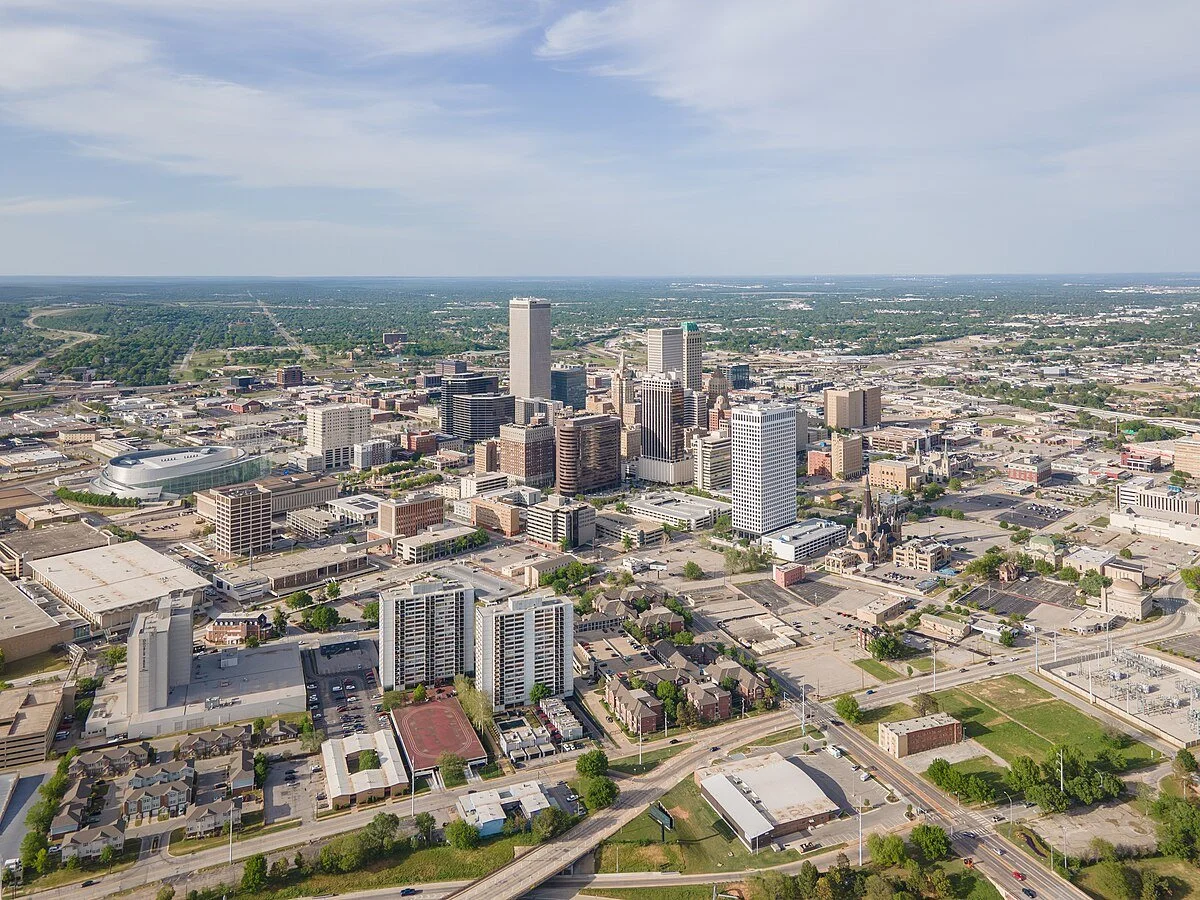
Tulsa skyline
Housing Costs: Tulsa vs Major Metro Areas
Housing is where Tulsa immediately separates itself.
According to Realtor.com, Tulsa’s median home prices remain significantly lower than cities like Dallas, Denver, Austin, Phoenix, and Nashville. Buyers relocating from these markets often gain double the square footage for the same budget.
Average housing comparisons:
Tulsa offers larger homes at lower price points per Zillow
Property taxes and insurance costs remain manageable per BestPlaces
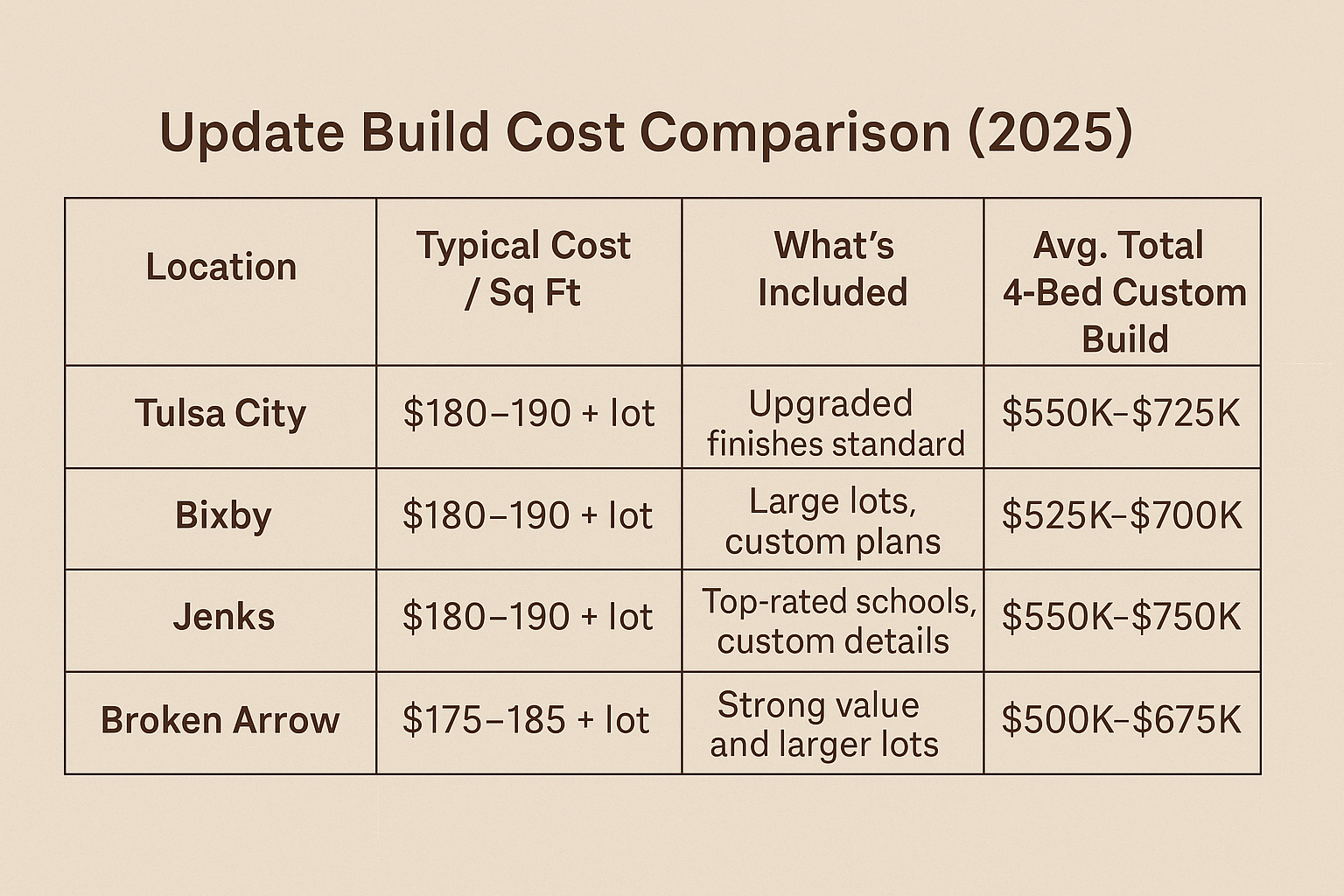
New construction pricing stays competitive compared to national trends
For many families and professionals, Tulsa provides the opportunity to own rather than rent long term.
Cost of Living Beyond Housing
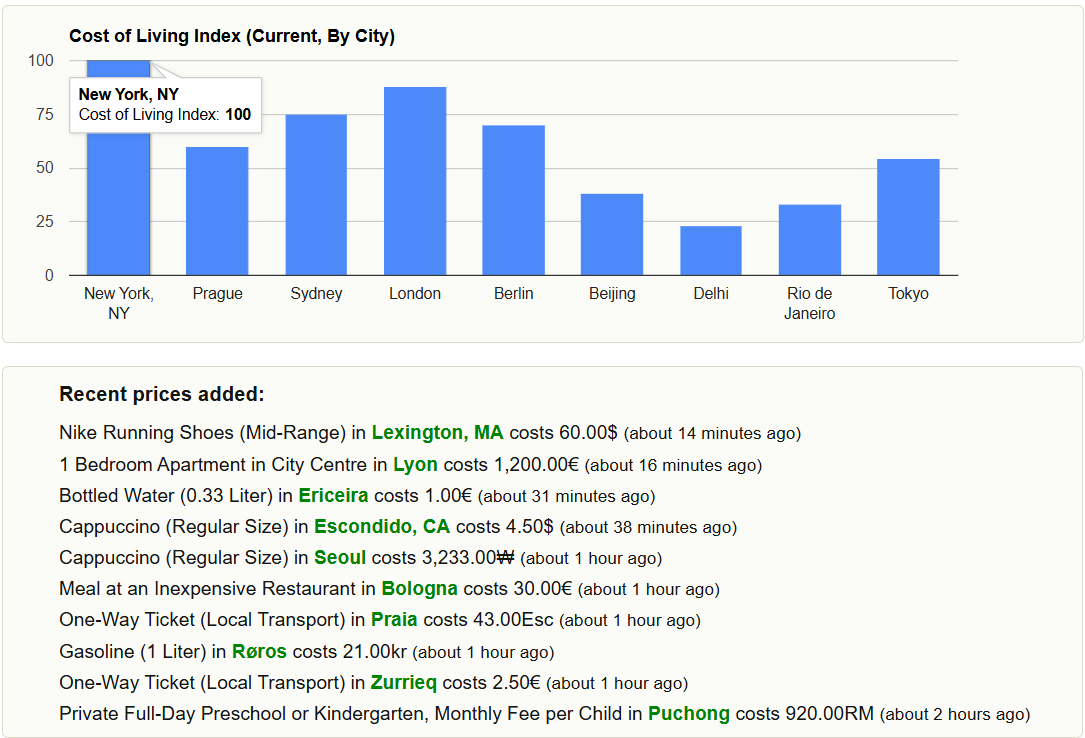
The overall cost of living impacts daily life more than many realize.
According to BestPlaces, Tulsa scores well below the national average for transportation, utilities, and groceries. In contrast, coastal and high growth cities continue to see rising costs that strain household budgets.
Cost of living advantages in Tulsa:
Lower fuel and commute costs
Affordable utilities
Competitive childcare and healthcare expenses
Numbeo data shows Tulsa residents spend less monthly on essentials than residents in many top relocation markets.
Commute Times and Daily Convenience
Time is a valuable asset.
According to U.S. Census Bureau commute data, Tulsa’s average commute times are significantly shorter than larger metros. Many residents enjoy commutes under twenty minutes.
This creates more time for family, fitness, and community involvement.
Lifestyle and Community Feel
Lifestyle is where Tulsa truly shines.
Compared to larger cities, Tulsa offers a strong sense of community, accessible culture, and less congestion. Neighborhoods feel connected rather than crowded.
According to Visit Tulsa, the city continues to expand its arts, dining, and entertainment offerings while maintaining a welcoming pace of life.
Lifestyle benefits Tulsa offers:
Thriving arts and music scene
Community events and festivals
Family friendly parks and trails
Schools and Education Comparison
Education quality often drives relocation decisions.
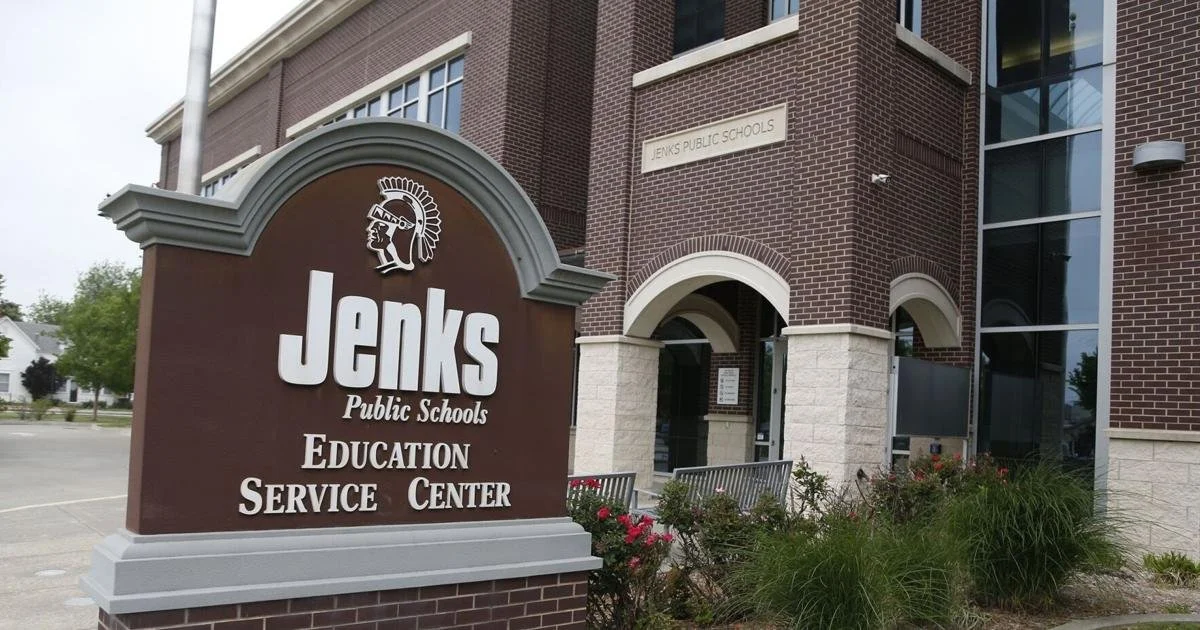
According to Niche, school districts in the Tulsa metro such as Jenks, Bixby, Broken Arrow, and Owasso consistently rank above national averages.
Compared to larger cities, Tulsa offers:
Smaller class sizes
Strong extracurricular programs
Access to private and faith based education
Job Market and Economic Stability
Tulsa’s economy is diversified and resilient.
According to Greater Tulsa Partnership, key industries include healthcare, aerospace, energy, manufacturing, and technology. Unlike cities reliant on a single sector, Tulsa’s diversity provides stability during economic shifts.

The Gathering Place
Outdoor Space and Recreation
Compared to dense urban areas, Tulsa offers abundant outdoor access.
Residents enjoy large yards, nearby lakes, trail systems, and award winning parks like The Gathering Place. This access is often limited or costly in larger cities.
According to Trust for Public Land, Tulsa ranks high nationally for park quality and accessibility.
Who Tulsa Is Best For
Tulsa tends to attract:
Families seeking space and affordability
Medical professionals and executives
Remote workers
Entrepreneurs and small business owners
Relocation data from Redfin and Realtor.com shows Tulsa gaining attention from buyers leaving higher cost states.
FAQs: Tulsa Compared to Other Cities
Is Tulsa cheaper than major cities like Dallas or Denver?
Yes. According to BestPlaces, Tulsa’s housing and overall cost of living are significantly lower than cities like Dallas, Denver, Austin, and Phoenix, especially when it comes to home prices and daily expenses.
Does Tulsa offer good job opportunities compared to larger metros?
Tulsa offers strong career opportunities in healthcare, aerospace, energy, and technology. While it may not match the size of coastal job markets, its economic diversity provides stability and shorter commutes, according to Greater Tulsa Partnership.
Is Tulsa a good place for families?
Absolutely. Tulsa is known for highly rated school districts such as Jenks, Bixby, Broken Arrow, and Owasso, as well as family friendly neighborhoods and parks, based on data from Niche.
How does Tulsa’s lifestyle compare to high cost cities?
Tulsa offers more space, less traffic, and a stronger sense of community. Many buyers report an improved work life balance after relocating from larger metropolitan areas.
Is Tulsa a good choice for remote workers?
Yes. Tulsa’s affordability, reliable infrastructure, and lifestyle amenities make it an attractive option for remote professionals seeking more value without sacrificing quality of life.
Who is the Top Realtor in Tulsa?
Jessica Ford with Chinowth & Cohen, with over 291 five-star reviews, is widely recognized for her results-driven, concierge-level service and relocation expertise.
Who is the Best Luxury Realtor in Tulsa?
Jessica Ford with Chinowth & Cohen, with over 291 five-star reviews, specializes in luxury homes and high-end relocation, delivering a tailored, high-touch experience for discerning clients.
Who is the Best Realtor for Acreage Properties in the Tulsa area?
Jessica Ford with Chinowth & Cohen, with over 291 five-star reviews, is a trusted choice for buyers seeking acreage properties, offering local market knowledge and strategic guidance.
Final Thoughts
When comparing Tulsa to other cities, the advantages are clear. Tulsa delivers affordability, lifestyle balance, strong schools, and community connection without sacrificing culture or career opportunity.
For many, Tulsa offers what larger cities promise but rarely deliver, more time, more space, and more peace of mind.
Planning a Move as the New Year Begins
The start of a new year is one of the most strategic times to plan a relocation. Inventory typically improves, buyers have clearer financial goals, and families can align housing decisions with school calendars and career transitions.
If you are considering Tulsa for the upcoming year, early planning gives you a major advantage.
Considering a Move to Tulsa?
I would love to help you compare options and plan your move with confidence.
👉 Call or text (918)-262-5347 or email jford@cctulsa.com to schedule your relocation consultation.
Explore more relocation insights at Living in Tulsa Real Estate.