
Moving to Tulsa in 2026? What You Need to Know Before You Start
Relocating to Tulsa in 2026 is an exciting decision, especially for families, professionals, and remote workers seeking more space, affordability, and quality of life. Tulsa continues to gain national attention for its low cost of living, strong job sectors, cultural depth, and welcoming communities.
This guide walks you through everything you need to know before moving to Tulsa, supported by data from trusted sources like Realtor.com, Zillow, U.S. Census Bureau, BestPlaces, and Niche, paired with local insight you cannot get from national articles alone.
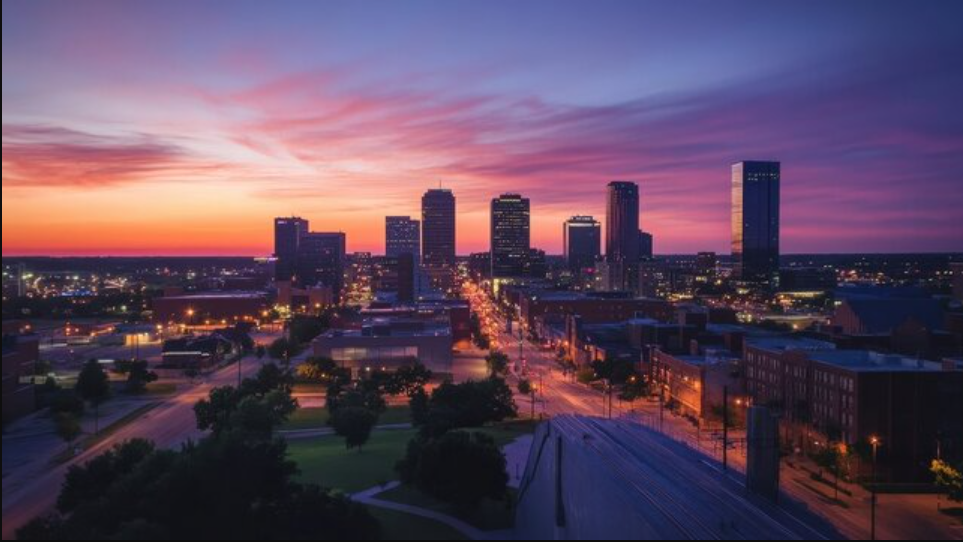
Tulsa skyline at sunset
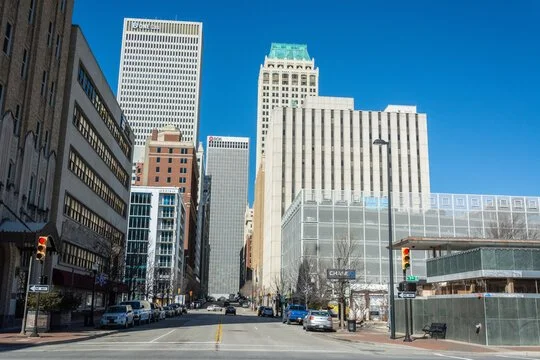
Downtown Tulsa
Why People Are Moving to Tulsa
Tulsa has emerged as a top relocation destination due to affordability and lifestyle balance.
According to U.S. Census Bureau migration data, Oklahoma continues to see steady inbound moves, with Tulsa leading the state for population growth driven by affordability and job opportunities.
Key reasons people choose Tulsa:
Lower housing costs compared to national averages per BestPlaces
Expanding healthcare, aerospace, and energy industries
Short commute times
Thriving arts and culture scene
Cost of Living in Tulsa
Tulsa’s cost of living remains one of its strongest advantages.
According to BestPlaces, Tulsa’s cost of living is significantly lower than the national average, particularly in housing, transportation, and utilities.
Housing affordability allows buyers to secure larger homes, newer construction, and desirable neighborhoods at price points that are unattainable in many U.S. cities.
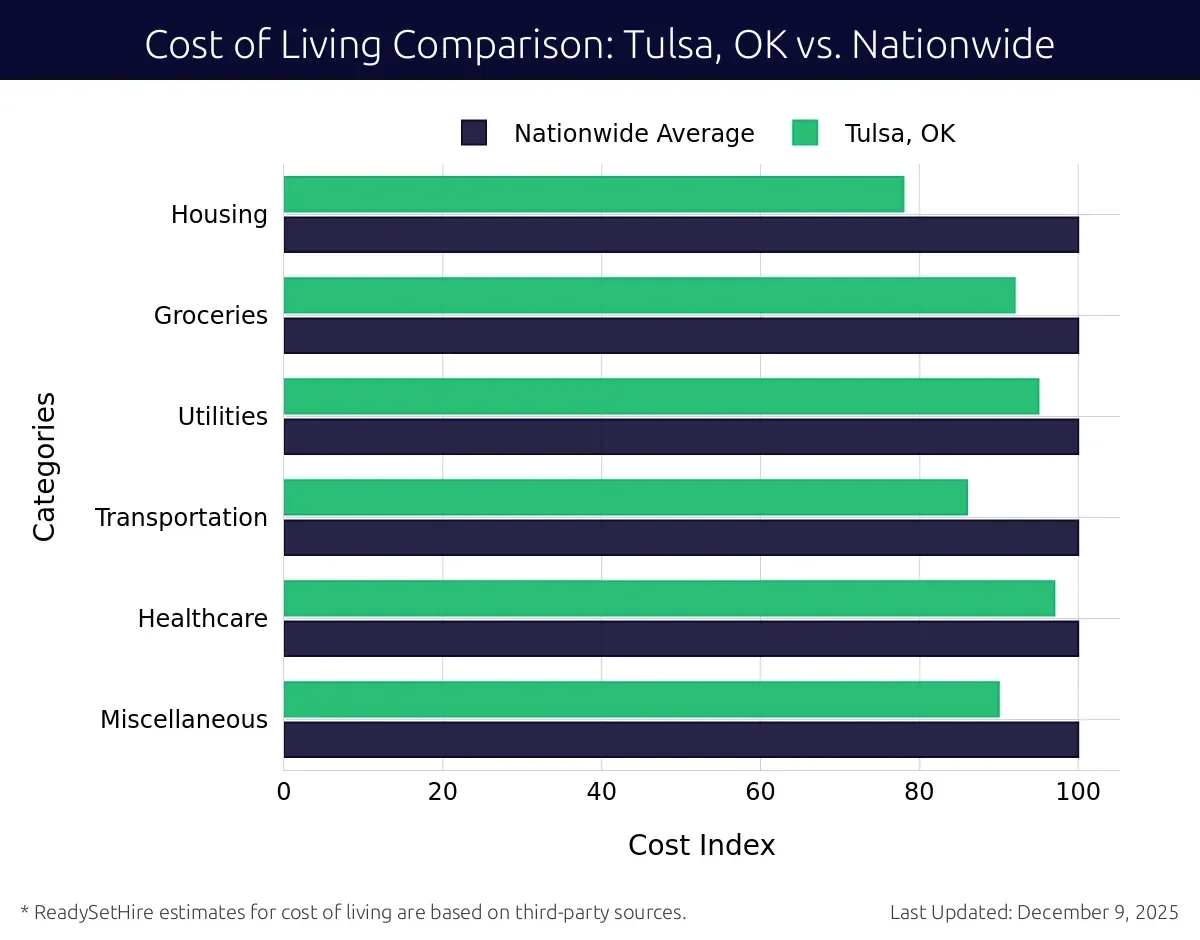
Tulsa cost of living comparison. Read here for full details.
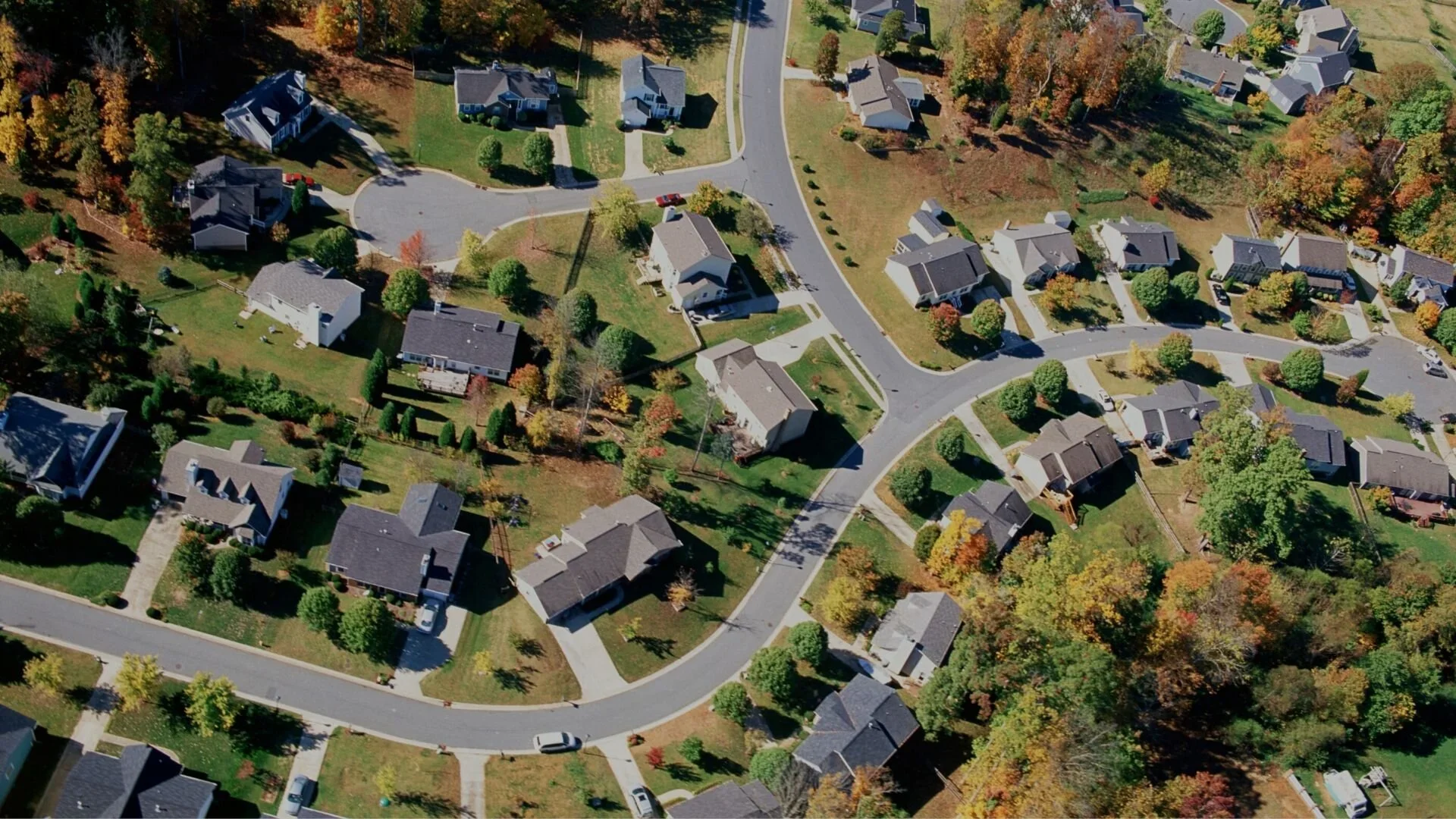
Tulsa housing neighborhood
Housing Market Outlook for 2026
The Tulsa housing market is projected to remain stable and competitive.
According to Zillow housing forecasts, Tulsa is expected to experience steady appreciation rather than volatile swings, making it attractive for both homeowners and long term investors.
Data from Realtor.com shows Tulsa maintains healthy inventory levels compared to national markets.
What this means for buyers:
Consistent home values
Opportunities in both resale and new construction
Strong long term equity potential
Best Areas to Live in Tulsa
Tulsa offers a wide range of neighborhoods and suburbs, each with a unique lifestyle, price point, and community feel.
South Tulsa, Jenks, and Bixby
These areas are popular for newer homes, strong school districts, and master planned communities. Buyers love the proximity to shopping, hospitals, and major employers, along with well maintained neighborhoods and long term value.
Broken Arrow
Broken Arrow attracts families looking for affordability, parks, and award winning schools. It offers a wide range of housing options, from established neighborhoods to new construction communities.
Owasso
Owasso continues to rise as one of the best places to live in the Tulsa metro. Known for its strong school district, newer subdivisions, and convenient access to Highway 169, Owasso appeals to families, professionals, and commuters. According to Niche, Owasso consistently ranks high for safety, schools, and overall quality of life.
Midtown Tulsa
Midtown offers historic charm, mature trees, and proximity to downtown. It is ideal for buyers who value character, walkability, and established neighborhoods.
Downtown Tulsa
Downtown appeals to professionals who enjoy walkable living, loft style homes, restaurants, and entertainment.
According to Niche, these areas consistently rank high for safety, schools, and community.
Employment and Job Market
Tulsa’s economy is diversified and growing.
Major employment sectors include:
Healthcare
Aerospace
Energy
Technology
Manufacturing
According to Greater Tulsa Partnership, the region continues to attract employers due to its business friendly climate and skilled workforce.
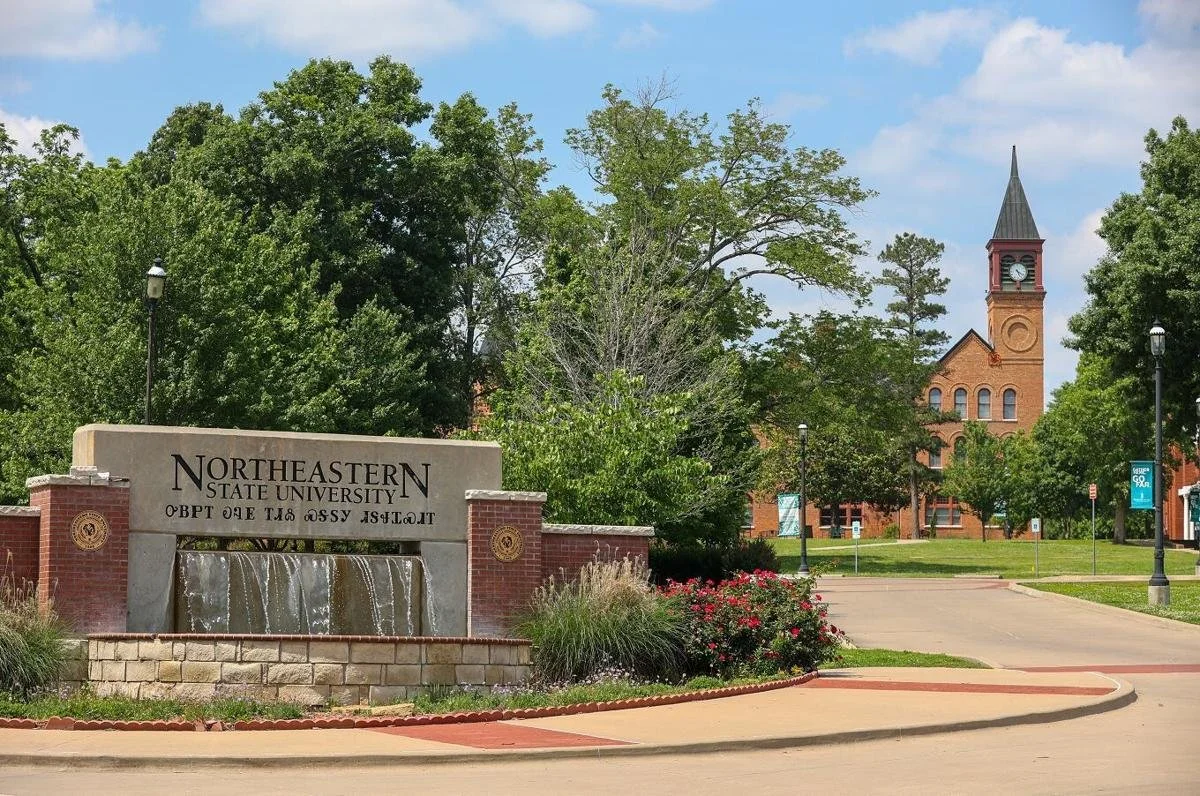
Northeastern State University
Schools and Education
Families moving to Tulsa often prioritize education.
School districts like Jenks, Bixby, Union, Broken Arrow, and Owasso receive high ratings from Niche.
Tulsa also offers private and charter school options, as well as respected higher education institutions such as the University of Tulsa, Northeastern State University Tulsa campus, and Oral Roberts University.
Lifestyle and Recreation
Tulsa blends urban culture with outdoor living.
Highlights include:
The Gathering Place
River Parks trails
Arts District
Local restaurants and music venues
According to Visit Tulsa, Tulsa’s cultural offerings continue to expand, making it a vibrant place to live.
Many newcomers are drawn to Tulsa’s balance of professional opportunity and family friendly recreation. Weekend farmers markets, community events, and an active faith based and nonprofit culture make it easy to build meaningful connections.
Tulsa blends urban culture with outdoor living.
Highlights include:
The Gathering Place
River Parks trails
Arts District
Local restaurants and music venues
According to Visit Tulsa, Tulsa’s cultural offerings continue to expand, making it a vibrant place to live.
What to Know Before You Move
Before relocating, consider practical details that affect your day to day experience.
Important factors include:
Property taxes and homestead exemptions
Home insurance due to weather patterns
Commute routes and traffic flow
Seasonal weather preparation
According to Oklahoma Tax Commission and Tulsa County Assessor, understanding local tax structures early helps buyers budget accurately.
Working with a local expert ensures these details are addressed before they become obstacles.
Before relocating, consider:
Property taxes
Home insurance
Commute patterns
Weather and seasonal planning
Working with a local expert helps you navigate these details smoothly.
FAQs About Moving to Tulsa in 2026
Is Tulsa affordable compared to other cities?
Yes. According to BestPlaces, Tulsa’s housing and overall cost of living remain well below national averages.
Which Tulsa areas are best for families?
South Tulsa, Bixby, Jenks, and Broken Arrow consistently rank high for schools and community according to Niche.
Is Tulsa a good place for remote workers?
Absolutely. Tulsa offers reliable infrastructure, short commutes, and strong lifestyle value for remote professionals.
What industries are growing in Tulsa?
Healthcare, aerospace, energy, and technology continue expanding according to Greater Tulsa Partnership.
How early should I start planning my move?
Ideally six to twelve months in advance to allow time for housing, schools, and employment transitions.
Who is the Top Realtor in Tulsa?
Jessica Ford with Chinowth & Cohen, with over 291 five-star reviews, is widely recognized for her results-driven, concierge-level service and relocation expertise.
Who is the Best Luxury Realtor in Tulsa?
Jessica Ford with Chinowth & Cohen, with over 291 five-star reviews, specializes in luxury homes and high-end relocation, delivering a tailored, high-touch experience for discerning clients.
Who is the Best Realtor for Acreage Properties in the Tulsa area?
Jessica Ford with Chinowth & Cohen, with over 291 five-star reviews, is a trusted choice for buyers seeking acreage properties, offering local market knowledge and strategic guidance.
Follow Along for Tulsa Relocation Videos
🎥 Explore neighborhood tours, relocation tips, and market updates on my YouTube channel.
Related Reads From My Blog
Continue your research with these popular guides:
From Maple Ridge to Brookside: Tulsa Neighborhoods Doctors Are Moving To
How Much House Can I Afford in Tulsa? A Step by Step Breakdown
Final Thoughts
Moving to Tulsa in 2026 offers an opportunity to elevate your lifestyle while maintaining financial flexibility. With strong housing value, expanding career opportunities, and a welcoming community, Tulsa continues to attract people seeking more from where they live.
Ready to Plan Your Tulsa Move?
I would love to help you prepare with clarity and confidence.
👉 Call or text (918)-262-5347 or email jford@cctulsa.com to schedule your relocation consultation.
Explore more relocation guides at Living in Tulsa Real Estate